Fire safety is a critical concern for any business operating in the United States.
We’ll explain why training matters, how to prepare for inspections, and what best practices help businesses stay compliant year after year.
Read on to discover the key components of fire safety compliance.
The Importance of Workplace Fire Safety
According to the National Fire Protection Association (NFPA), thousands of commercial fires occur each year, causing billions in property damage and tragic losses of life.
Fire safety in the workplace protects more than just assets—it safeguards employees and visitors from harm.
In the US, workplace fire safety is regulated by a mix of national standards (like NFPA guidelines) and local fire codes.
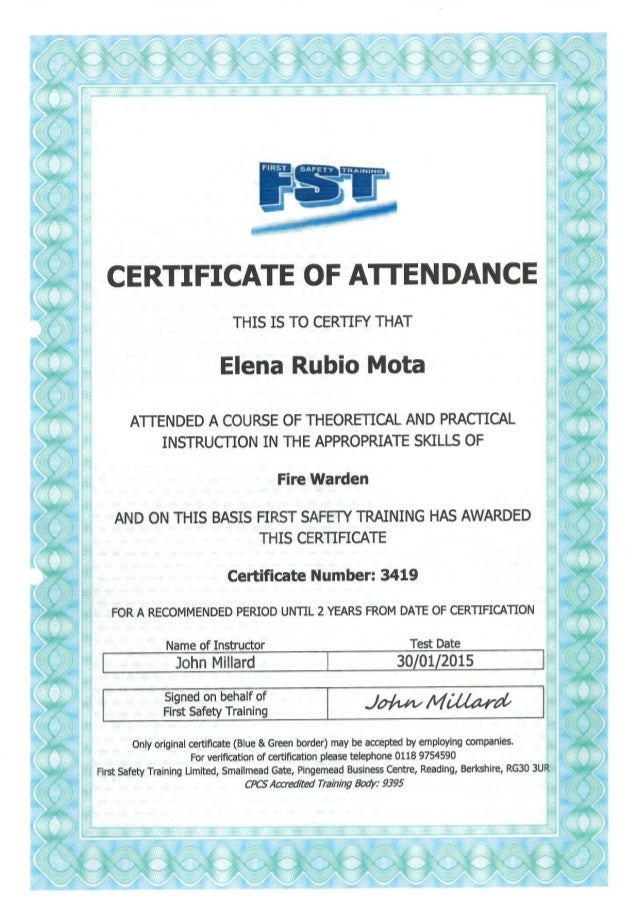
What Is Fire Warden Training in the US?
This training is essential for ensuring that offices can respond quickly and safely if a fire breaks out.
Training requirements vary depending on local regulations, building size, and occupancy type.
Look for programs aligned with OSHA standards, NFPA guidelines, and local fire codes.
Keeping Fire Safety Documentation and Certifications Up to Date
In the US, many businesses must obtain fire safety certifications from local fire departments or regulatory bodies.
To prepare, start by conducting an internal audit.
Keep detailed maintenance records, update training logs, and perform regular fire drills to stay prepared.

How to Keep Your Office Fire-Safe Every Day
This includes routine equipment checks, clear communication, and fostering a culture where all employees understand their role in fire prevention.
Ensure that emergency exits remain unlocked, clearly marked, and free of obstructions at all times.
Employee engagement matters too.
Legal and Insurance Implications of Fire Safety Compliance
Beyond regulatory penalties, companies may face reputational damage, employee distrust, and operational disruptions.
Many commercial insurance policies require proof of current fire safety certifications, maintenance logs, and training records.
By prioritizing fire safety, businesses demonstrate responsibility and reduce the risks of costly legal and financial setbacks.
Final Thoughts on Office Fire Safety
US companies that take fire safety seriously strengthen their resilience, enhance employee confidence, and minimize operational risks.
Fire safety readiness is a powerful signal of professionalism and care.
With the right approach, your company can navigate challenges confidently and ensure a safer, more secure future for everyone.
Your Questions Answered: Fire Safety in US Businesses
Which employees should receive fire brigade training?
Typically, designated employees such as team leads, managers, or safety officers receive fire warden training.
How often should fire safety certifications be renewed?
Renewal periods vary by jurisdiction but are often required every 1–3 years.
What are common causes of office fires?
Common causes include electrical malfunctions, overloaded power strips, kitchen accidents, improperly stored flammable materials, and heating equipment issues.
Why do insurers care about fire safety?
Staying compliant protects both your business and your financial stability.
What elements make up a solid fire emergency plan?
A good fire safety plan includes evacuation routes, assembly points, alarm procedures, roles for fire wardens, communication protocols, and equipment locations.
leia mais aqui funções da brigada de incêndio